
Orthodontics
Today, the knowledge and advances in Orthodontics are truly amazing. We are able to correct most dental and skeletal problems with bite, alignment, and badly positioned teeth. We are able to do this faster, with fewer appointments, and better results! Dr. Rajani uses the latest technology in braces – the computer customized individual patient appliance.
The best part: we provide all orthodontic treatment in Yonkers, along with all your other dental needs at our office. There is no need to make multiple trips to different dental offices now, which will save you time and money.
Free Consultation
Each patient is given an Orthodontic Consultation free of charge. Should you decide to proceed, using x-rays, computerized imaging, dental impressions, photographs and clinical evaluation, Dr. Rajani can present you a personalized treatment plan for straightening your teeth. The orthodontic appliances used will apply gentle pressure to align and straighten teeth in Yonkers. Treatment duration varies depending on age of patient, compliance and how severe the condition is. As always, patient cooperation is a key factor in making their orthodontic treatment successful.
Types of Braces
- Metal Braces / Traditional Braces - typically the least expensive; most noticeable on teeth.
- Ceramic Braces - Less noticeable on teeth, but care must be shown to prevent staining.
- Invisalign - Uses clear aligners that are virtually invisible to gradually straighten teeth
Appliances we use to help straighten teeth
Dr. Rajani may also opt to use certain appliances in accordance with, or prior to orthodontic treatment. They include, but are not limited to Head gear (worn while sleeping), Thumb/Finger appliance (for thumb suckers), Tongue Thrusting appliance, Palatal expanders (to make space in the upper jaw) and orthodontic splints.
Benefits of Orthodontics
The benefits of braces are more than straight teeth. Straight teeth are less prone to cavities and gum disease. They provide proper jaw function and bite. Most importantly, they always inspire increased self-confidence, which will show through in your daily interactions with others. Be prepared to do a lot of smiling!
Prevent Orthodontic Problems by Avoiding These 5 Habits
Often, patients believe orthodontic problems are caused primarily by genetics. While genetics do play a role in whether or not you will develop an uneven bite, they do not represent the entire picture. Genetics are simply the one factor we can’t control.
Orthodontic problems often begin when we are very young, but even adults exhibit some of the following behaviors. Whether you’re observing them in yourself or in one of your children it’s important to get these habits under control if you want to avoid costly procedures later in life.
-
Thumb Sucking: Thumb sucking may seem harmless, but it actually puts pressure on your upper teeth. It also creates pressure on your upper jaw. It may not seem like much pressure…but it really doesn’t take much. If it did, the science of orthodontics would not work at all. After all, we’re able to make adjustments on adult teeth with Invisalign simply by putting very subtle pressure on the teeth with our aligners. Thumb sucking is doing the same thing…it’s just not working in your child’s favor. While the habit may comfort your child in the short term, in the long run it can cause massive problems, including speech impediments and other issues. Need help getting it done? Parenting Magazine offers some tips on helping your child break this destructive habit.
-
Pencil, Pen, and Ice Chewing: If you regularly borrow pencils only to return gnawed up messes, you might want to break this habit just to spare yourself some embarrassment! Again, you’re putting pressure on your jaw and on the teeth themselves. Keep in mind that pencil, pen, and ice chewing can cause other dental problems. For example, you might chip some of the enamel right off your teeth, leaving them vulnerable to decay.
-
Nail Biting: This habit is especially pernicious. It wears your teeth down and, again, moves them out of position. In addition, it can make you sicker—you touch more germs than you think you do during the course of a day, and nail biting puts those germs directly in your mouth. Nail biting has also caused us to have to delay treatment for some patients. This is because it weakens tooth roots, creating problems we have to address before offering either traditional braces or Invisalign braces. In short, it’s an awfully expensive way to alleviate nerves or boredom.
-
Poor Tongue Posture: This one may not be as easy to understand as the other habits, which are far more familiar. Most people don’t pay a whole lot of attention to what their tongue is doing. However, if you place your tongue between your teeth while you swallow you’re executing a “tongue thrust.” Believe it or not, you’re actually putting several pounds of pressure on your teeth every time you do this. Your tongue is stronger than you think it is! As you can imagine, tongue thrust can easily create an overbite. If you have this problem, it’s important to recognize it and become conscious of it as quickly as you can.
-
Mouth Breathing: If you have large tonsils or are routinely stopped up, you may be in the habit of breathing through your mouth. It’s important to address these issues as an open mouth causes additional problems with your tongue posture. Mouth breathing can promote tongue thrust. Remember, we actually swallow many times throughout the day, not just when we are eating. Whether your tongue posture is caused by bad habits or by sinus problems, there are ways to train your tongue so that it stops causing problems.
We’re here to help
We’re not judging you if you or your child have any of the habits which lead to orthodontic problems. We’re simply here to help you and your family enjoy your best, brightest, and most attractive smiles we can give you.
If past habits have led you to crooked or misaligned teeth, call us to make an appointment. We’ll have a look at your situation and go over your options so you can enjoy ideal oral health both now and in the future.
So if you are looking to get metal or clear braces in Yonkers, call 914-423-1900 today to schedule your appointment!
Frequently Asked Questions
Cosmetic dentistry usually involves a single corrective procedure. A “smile makeover” might include 2-6 procedures involving multiple teeth. It might also start incorporating teeth straightening measures like Invisalign and other surgeries such as root canals. In short, it’s a holistic approach to treating a mouth that has suffered from extensive damage or trauma.
Every smile makeover case requires an extensive, thorough consultation to determine the scope of work. Smile makeovers may also require many months, even years, of treatment. However, a smile makeover is basically cosmetic dentistry—you can think of it as cosmetic dentistry taken to the next level.
Chances are, if you’re an adult you already know there are some issues with your bite or tooth alignment. Perhaps your smile just isn’t as attractive as you might like it to be, or perhaps you have trouble reaching and cleaning some of your teeth. Either way, an orthodontic recommendation probably will not come as news to you.
However, as your child’s teeth develop, you might not be certain whether or not anything is wrong. Fortunately, there are some ways to tell whether a child will need orthodontic treatment, either now, or in the future.
First, look at the child’s habits. Thumb sucking, nail biting, and pencil chewing are all habits which could lead to orthodontic problems later. Try to discourage your children from engaging in these behaviors as much as possible.
You can also simply perform a visual inspection of your child’s teeth. Look for crooked teeth, gapped teeth or overlapping teeth. Ask your child to bite down for you so you can see if the teeth line up nicely.
Of course, if you’re coming to Yonkers Avenue Dental for regular check-ups we will usually just tell you if there’s a problem. That’s one advantage of trusting a general dentist with your family’s dental health.
We use a system called the Individual Appliance, or Individual Orthodontics. The major difference between this system and traditional orthodontics is all in the types of brackets we use. As the name implies, our brackets are customized for each patient.
So, how does this work?
First, we gather all of the data we can about your mouth. This is important: every mouth is different. We look at images. We look at your dental history. We plug all of this into the computer in order to create a model. This model shows us the best treatment outcome for each individual patient.
Once we’ve got the model, we talk to the patient and develop a treatment plan. Armed with this treatment plan, we can select brackets for each tooth, designing each one to encourage every tooth to move the way we want it to move. We find this method helps the teeth fall into place more efficiently. Treatment happens a lot faster—and the results we get are often better than the results we’d see with traditional braces, too.
Traditional braces involve giving the patient the same bracket for every tooth, and doing so whether the patient has an under-bite, or crowding. The orthodontist then bends the wires and adds appliances every month in order to get the teeth to move the way they want them to move. This usually means orthodontics take a lot longer.
By contrast, our system does the heavy lifting in the beginning, right at the diagnostic phase.
Though braces are stereotypically associated with teenagers, you can pursue straight, healthy teeth at any age. If you are an adult who is self-conscious about wearing braces you might prefer to ask about Invisalign instead.
Meet Our Doctor:
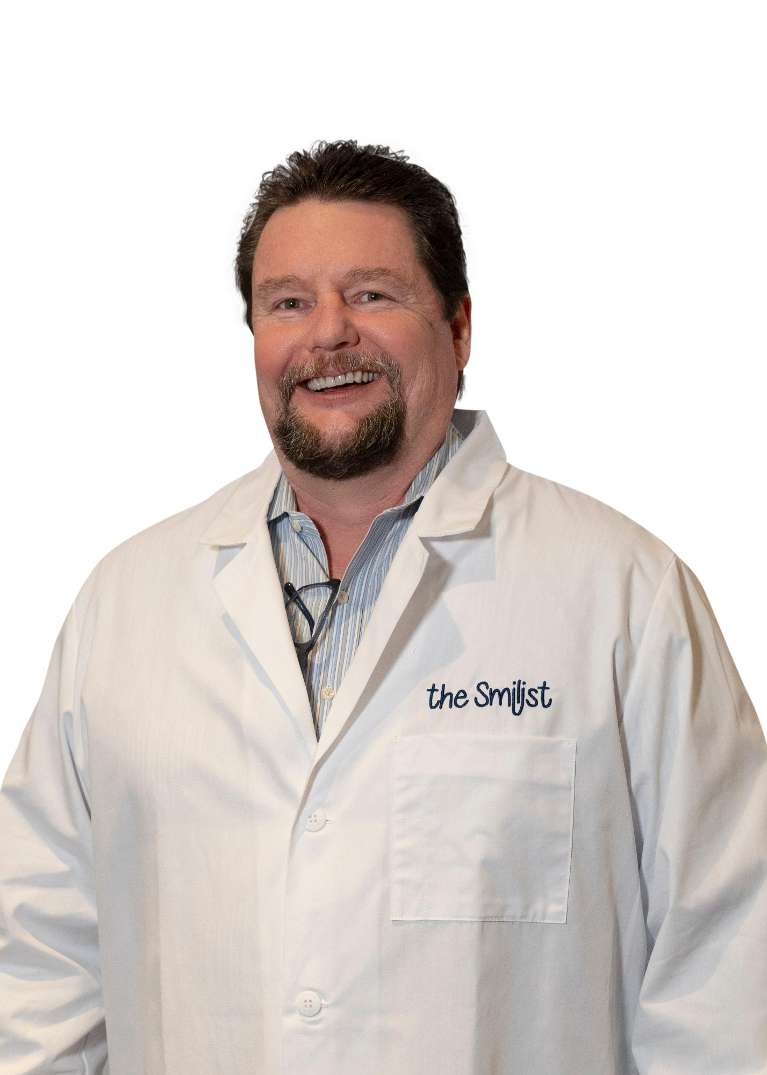
Dr. Kevin Boyle DMD
Orthodontist
Education & Membership
- D.M.D, University of Pennsylvania School ...